


🌿Lemon Balm – The Herb That Gladdens the Heart
- Yolanda R. Cardenales
- Jun 21
- 3 min read


There are certain herbs that seem to find their way into our lives exactly when we need them, and for me, lemon balm is one of those herbs. Every summer, as the garden begins to flourish, I find myself drawn to its bright green leaves and sweet citrus fragrance. The moment I brush against the plant, the scent fills the air and somehow everything feels a little lighter. Maybe that's why lemon balm has been loved for centuries. Long before modern wellness trends and herbal shops, people were growing lemon balm in monastery gardens, cottage gardens, and kitchen gardens. It was a plant of comfort, a plant of peace, and a plant that many believed could lift the spirits. Today, I think it still does.

🌿 Botanical Profile
Latin Name: Melissa officinalis
Plant Family: Mint (Lamiaceae)
Parts Used: Leaves and flowering tops
The name Melissa comes from the Greek word for honeybee, and if you've ever seen lemon balm growing in the garden, you'll understand why. The bees absolutely adore it.

📜 A Little History
There are some herbs that seem to follow humanity through every generation, and lemon balm is one of them. For more than 2,000 years, people have planted it near their homes, gathered it for teas, and passed down stories about its comforting nature.

The ancient Greeks and Romans valued lemon balm for both its fragrance and medicinal qualities. During the Middle Ages, it became a treasured resident of monastery gardens throughout Europe, where monks cultivated it for herbal remedies, culinary uses, and daily wellness.

The famous physician Paracelsus praised lemon balm so highly that he referred to it as an herb capable of "renewing life." While that may sound poetic, it tells us just how deeply respected this humble plant was.

✨ Folklore and Tradition
Lemon balm has long been associated with joy, healing, and emotional comfort.
In old European traditions, it was often planted near doorways and homes to attract good fortune and positive energy. Some believed it encouraged harmony among family members and friendships. For generations, herbalists referred to lemon balm as the herb that "gladdens the heart." I have always loved that phrase.
In a world that often feels busy and overwhelming, who couldn't use a herb that gladdens the heart?


💚 Why Herbalists Love Lemon Balm
If you've ever had one of those days where your mind just won't settle down, then you'll understand why lemon balm has remained a favorite among herbalists for centuries.
Traditionally, lemon balm has been used to:
• Support relaxation during times of stress
• Encourage restful sleep
• Soothe occasional digestive discomfort
• Promote emotional balance
• Support overall wellness

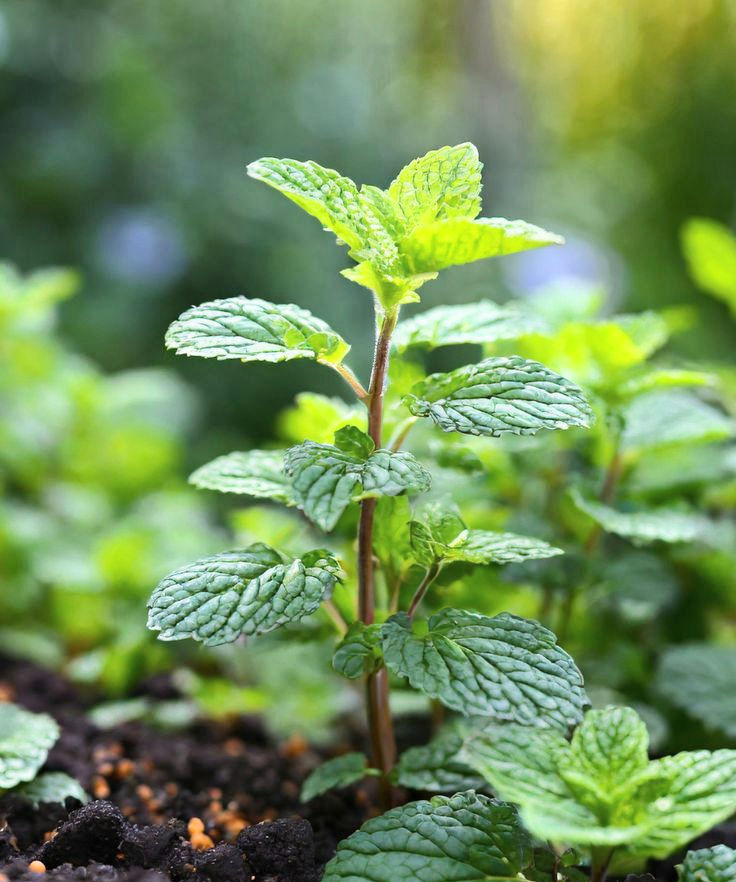
One of the things I appreciate most about lemon balm is its gentle nature. Some herbs arrive with a bold personality. Lemon balm doesn't. It works quietly. Like a trusted friend who sits beside you when life feels a little heavy.


🍵 How I Enjoy Lemon Balm
One of my favorite ways to enjoy lemon balm is as a simple tea. Fresh from the garden or dried for later use, it makes a lovely cup on a warm summer evening. Sometimes the simplest herbal rituals become the most meaningful. A handful of leaves, a favorite mug, and a few quiet moments can be enough to reconnect us with ourselves.


🌿 My Thoughts on Lemon Balm
If I could only grow a handful of herbs in my garden, lemon balm would always earn its place. It's not the showiest plant. It doesn't demand attention. Yet year after year, I find myself returning to it. Maybe that's because lemon balm reminds me that some of the most meaningful things in life are also the gentlest. A kind word. A quiet moment. A warm cup of tea shared with someone we love. In a world that often feels rushed and noisy, lemon balm invites us to slow down and simply be present. And perhaps that is part of its medicine too.


May your garden be abundant, your cup be full, and your heart be at peace.
With gratitude,
🌿Yolanda Cardenales
Lady La Yoly Herbal Apothecary


Comments